

You’re looking for a mass timber contractor in Delaware who understands that cross laminated timber and glued laminated timber aren’t just alternative building materials. They’re the future of sustainable construction. Quarry View Building Group brings deep expertise in mass timber construction to Delaware.
Quarry View Building Group has delivered timber projects throughout the Mid-Atlantic region since 2008. Our team includes craftsmen trained in both traditional timber techniques and modern mass timber systems, giving us unique capabilities with CLT panels, glulam beams, and prefabricated timber components. We hold PA License #084125 and maintain deep expertise across commercial buildings, schools, hospitality projects, and custom structures throughout Delaware and surrounding states.
Cross laminated timber panels represent one of the most innovative mass timber products available for modern construction projects. These engineered wood panels provide structural strength comparable to steel or concrete while offering significant advantages in sustainability, installation speed, and design flexibility. We work with leading manufacturers to specify, coordinate, and install CLT systems for walls, floors, and roof structures in Delaware commercial buildings, schools, and hospitality projects.
Our team manages the entire CLT process from design assist through final installation. We coordinate closely with architects to ensure panels arrive on site ready for precision installation, reducing construction schedules and site costs. Plus, CLT construction creates healthier indoor environments with natural wood aesthetics that concrete and steel simply cannot match.
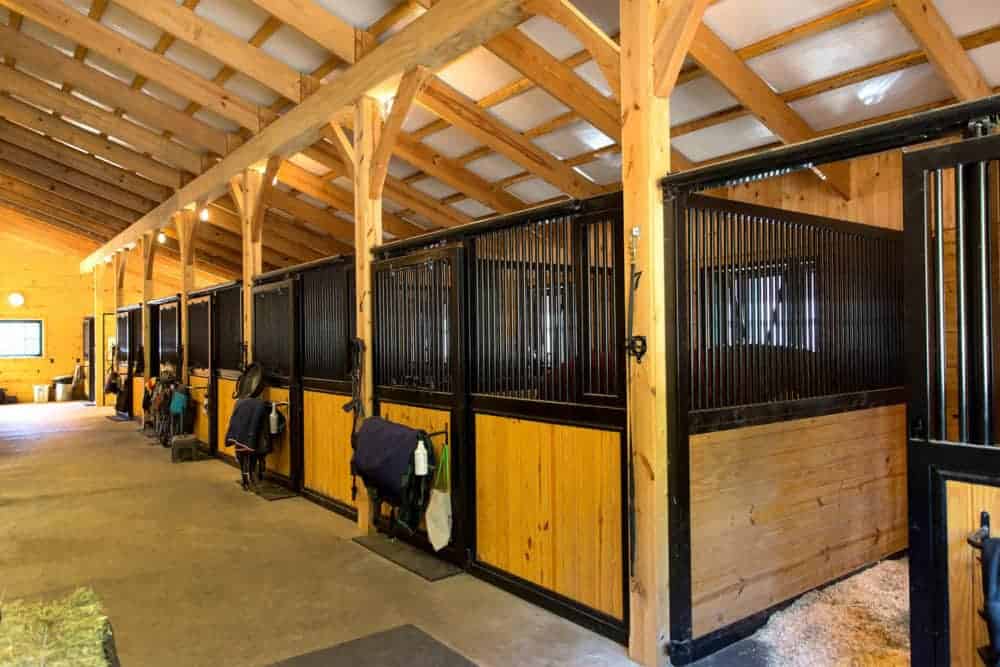
Glued laminated timber beams bring structural capabilities and visual impact to mass timber construction. These engineered columns and beams support significant loads while creating the warm, natural aesthetic that makes timber construction so appealing. We source glulam from trusted manufacturers and install it with the precision that comes from years of timber frame experience, ensuring every connection meets engineering specifications and building codes.
Our craftsmen understand how glulam integrates with other building systems. We coordinate with mechanical, electrical, and plumbing trades to protect timber elements while maintaining functionality throughout your building. The result is durable, beautiful structures that showcase timber’s natural qualities while meeting modern performance standards.
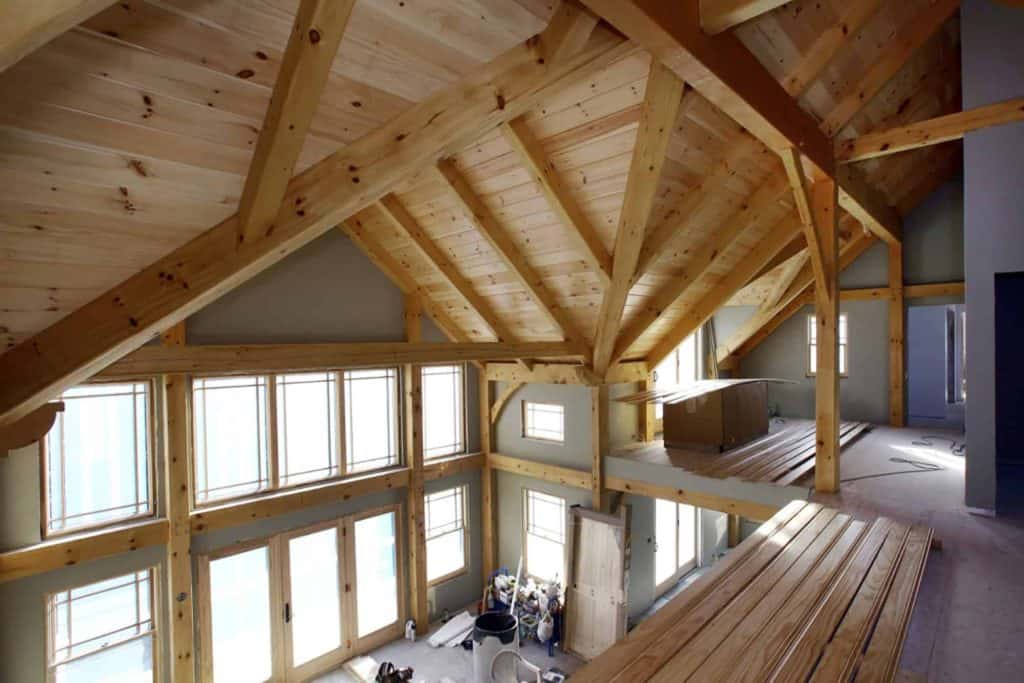
Successful mass timber projects start with collaboration between builders, architects, designers, and engineers. We provide design assist services that bring construction knowledge into the planning process early. This approach helps teams make informed decisions about timber species, connection details, fabrication methods, and installation techniques that impact both costs and schedules.
Our depth of experience with timber construction means we can discuss the reality of what works on site. We help teams understand how design choices affect manufacturing, transportation, and installation. This collaborative process leads to better project outcomes, helping clients avoid costly changes and delays while maximizing the aesthetic and functional benefits of mass timber.
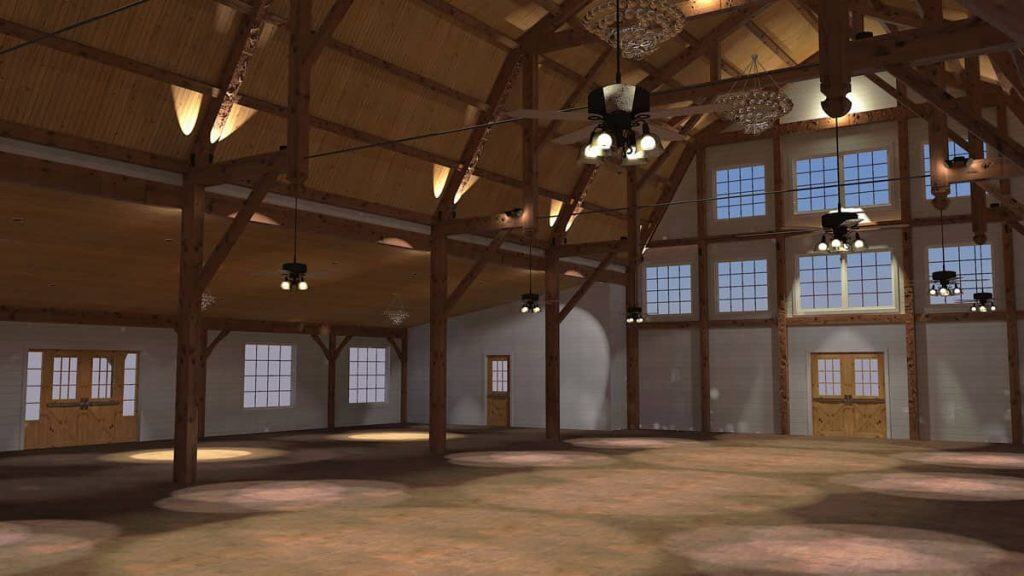
Prefabrication is one of the key advantages of mass timber construction. Components manufactured in controlled environments arrive on site ready for precision installation, dramatically reducing construction schedules and site coordination challenges. We work with manufacturers to ensure prefabricated timber panels, beams, and columns meet exact specifications, then manage the installation process with attention to accuracy and detail.
Our team’s experience with both traditional timber frame and modern mass timber gives us unique capabilities. We understand how prefabricated components fit together and how to protect them during installation. This knowledge ensures your mass timber project comes together efficiently while maintaining the quality standards that define our reputation.
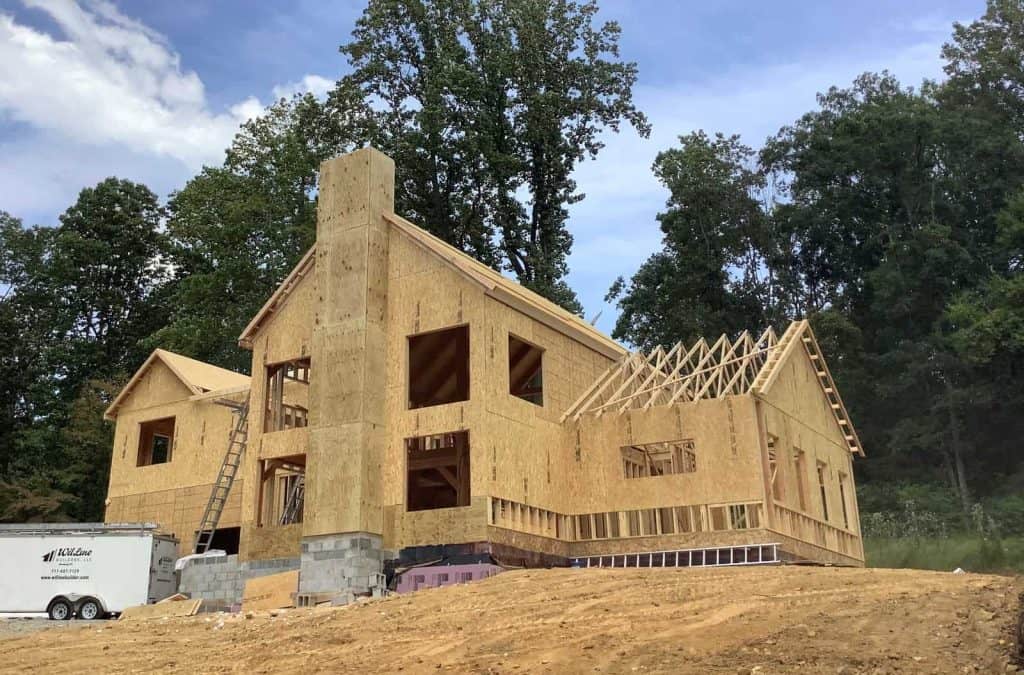
Mass timber represents a low carbon alternative to concrete and steel, sequestering carbon rather than emitting it during production. We focus on sustainable timber solutions that meet environmental goals without sacrificing structural performance or durability. From responsibly sourced wood to energy-efficient building envelopes, we help clients achieve sustainability targets while creating structures that will thrive for generations.
Our commitment to sustainability extends beyond materials selection. We consider the full range of environmental impacts, including transportation, waste reduction, and long-term building performance. This comprehensive approach to sustainable construction ensures your mass timber project delivers real environmental benefits that support both your goals and broader community sustainability efforts.
You’ll connect with our team to discuss your mass timber project goals, site conditions, and budget parameters. We’ll listen carefully to understand your vision and provide initial guidance on what’s possible with mass timber construction. You’ll hear back quickly with next steps and a clear plan for moving forward.
We work alongside your architects and designers to develop comprehensive plans for your mass timber project. Our team provides design assist consultation, helping evaluate timber species, connection details, and fabrication approaches. You’ll receive realistic schedules and cost estimates that reflect actual construction requirements, not guesswork.
We prepare detailed budgets that account for manufacturing, transportation, installation, and coordination with other trades. You’ll see exactly where costs go and understand the value each element brings to your project. We develop schedules that coordinate timber delivery with site readiness, ensuring efficient installation without delays.
Our team manages every aspect of mass timber installation with focus on precision and quality. You’ll receive regular updates on progress, and we’ll coordinate closely with all trades to protect timber elements throughout construction. We maintain rigorous safety standards and quality control, ensuring your project meets both your expectations and building codes.
We walk through the completed project together, ensuring every detail meets your standards. You’ll receive documentation for warranties and building systems, plus guidance on maintaining your mass timber structure. Many clients return for additional projects because of the relationships we build and the quality we consistently deliver.
Understanding the unique conditions in Delaware helps us deliver better mass timber projects. Delaware’s coastal climate and specific building requirements create challenges that require local knowledge and mass timber expertise.
| Challenge | What It Looks Like | How We Help |
|---|---|---|
| Coastal Moisture Management | Delaware's humid coastal climate can affect timber durability if not properly protected during construction and through building envelope design. | Our team coordinates moisture barriers, proper flashing, and ventilation systems that protect mass timber elements. We specify treatments and connection details that ensure long-term durability in Delaware's climate. |
| Connection Complexity | Mass timber connections require precision coordination between structural engineers, fabricators, and installers to ensure load transfer meets specifications. | We provide design assist services that help teams develop practical connection details. Our craftsmen install connections with the accuracy required for structural performance and building code compliance. |
| Schedule Coordination | Prefabricated mass timber components require careful coordination between manufacturing timelines, site preparation, crane availability, and other trades. | We develop detailed schedules that account for all coordination points. Our preconstruction planning ensures the site is ready when timber arrives, preventing costly delays and protecting materials. |
| Fire Rating Requirements | Many Delaware commercial buildings and schools require specific fire ratings that affect mass timber design and protection strategies. | Our team works with architects and code officials to develop compliant solutions. We coordinate fire-rated assemblies, encapsulation details, and testing documentation that meet Delaware building codes. |
| Cost Predictability | Mass timber costs vary based on species selection, fabrication complexity, transportation, and installation requirements that aren't always obvious early in design. | We provide detailed cost estimates during preconstruction that reflect real manufacturing and installation requirements. Our experience helps clients make informed decisions that balance budget with project goals. |
| Skilled Labor Availability | Mass timber installation requires specialized knowledge that general contractors may lack, affecting quality and schedules. | Our team brings deep timber construction expertise to every project. We self-perform critical work and carefully coordinate specialty trades, ensuring quality throughout your mass timber project. |
Quarry View Building Group serves commercial and institutional clients across Delaware with comprehensive mass timber construction services. We respond quickly throughout Castle County and statewide, bringing local knowledge and timber expertise to every project.
Mass timber construction costs vary based on project size, timber species, fabrication complexity, and building requirements. Typical ranges run from comparable to slightly higher than traditional steel or concrete for the structural system, but faster installation often reduces overall project costs. We provide free consultations and detailed cost estimates during preconstruction that help you understand exactly what drives costs for your specific project.
We combine traditional timber craftsmanship with modern mass timber expertise in ways most contractors cannot match. Since 2008, we’ve built a reputation for self-performing critical work with our expert team, maintaining quality control that general contractors who rely entirely on subcontractors simply can’t achieve. Our design assist capabilities mean we bring construction knowledge into planning early, preventing costly changes and helping your team make informed decisions throughout the project.
Mass timber offers significant advantages for many Delaware projects, including faster installation, lower carbon footprint, natural aesthetics, and excellent thermal performance. Steel provides benefits for specific applications requiring long spans or heavy loads. The best choice depends on your building type, sustainability goals, budget, and desired aesthetics. Our team helps you evaluate both options based on your specific situation, providing honest guidance that serves your project goals.
Typical mass timber projects in Delaware take 30-50% less time for structural installation compared to concrete or steel, though total project duration depends on size, complexity, and site conditions. Prefabricated components arrive ready for installation, dramatically reducing on-site construction time. Permitting timelines in Delaware vary by jurisdiction, and weather can affect installation schedules during winter months. We develop realistic timelines during preconstruction that account for all these factors.
If you’re planning a commercial building, school, office building, or hospitality project in Delaware and value sustainability, natural aesthetics, or faster construction schedules, mass timber deserves serious consideration. Projects requiring design flexibility, superior acoustics, or reduced carbon footprint often benefit from mass timber systems. An early consultation with our team helps you understand whether mass timber aligns with your project goals, budget, and timeline.
We stand behind every mass timber project with comprehensive support throughout construction and after completion. Material warranties from timber manufacturers typically cover structural components, and we coordinate all warranty documentation. Our commitment to quality means we’re available to address any concerns that arise. Many clients return for additional projects because they trust the relationships we build and the lasting quality we deliver.
CLT panels consist of multiple layers of lumber oriented perpendicular to each other, creating large structural panels used for walls, floors, and roofs. Glulam beams are made from laminated lumber layers oriented in the same direction, creating long-span beams and columns. CLT excels for enclosing large areas quickly, while glulam provides the structural support for spans and loads. Most mass timber projects use both products strategically based on engineering requirements and design intent.
Yes, mass timber construction can meet Delaware fire codes through several approaches. Encapsulation with fire-rated gypsum board protects timber, or exposed timber can be designed to meet char rate requirements where codes allow. Our team works with architects, engineers, and code officials to develop compliant solutions that balance fire safety with the aesthetic benefits of exposed timber. We coordinate all testing and documentation required for plan approval.
Mass timber performs exceptionally well in Delaware when properly detailed and protected. The key is moisture management through building envelope design, proper flashing, ventilation, and protection during construction. Our team specifies connection details, treatments, and protection strategies that ensure long-term durability. Mass timber’s dimensional stability and natural moisture-handling characteristics actually provide advantages over steel, which can corrode in coastal environments.
Mass timber construction supports multiple sustainability certifications including LEED, Passive House, and various green building standards. The carbon sequestration benefits of wood, combined with responsible forestry practices, contribute significant points toward certification. We’ve delivered Passive House certified projects and understand how mass timber integrates with high-performance building envelopes and energy systems. Our team coordinates the documentation and testing required to achieve your sustainability goals.