

Adaptive reuse and restoration combine character, craftsmanship, and sustainability to give aging structures a new life. Whether it’s a long-forgotten barn, a neglected theater, or an outdated commercial space, these projects preserve history while meeting today’s performance and safety standards.
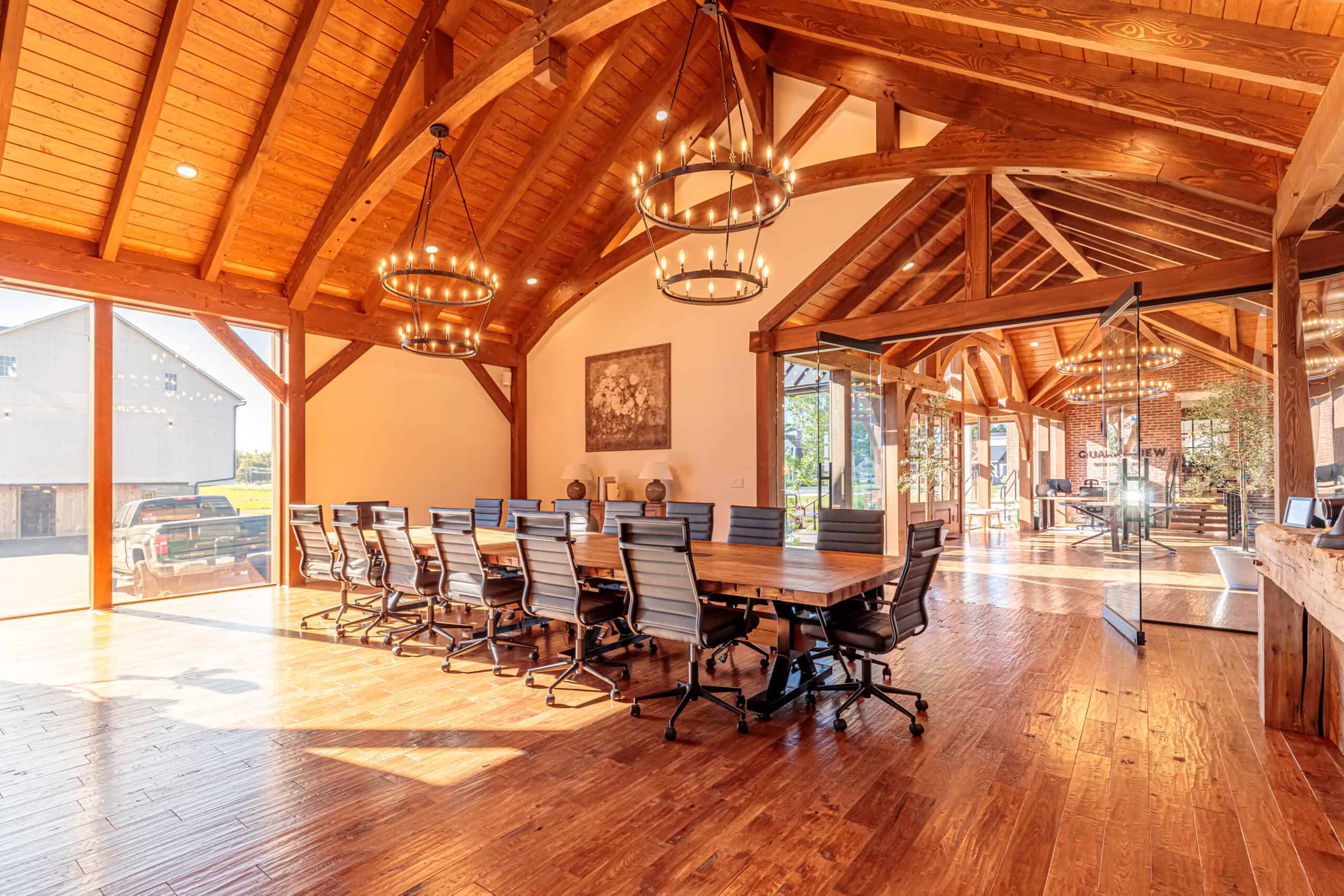
Adaptive reuse refers to the process of transforming an existing building into a modern, functional space while preserving its historic or architectural significance. It is an alternative to new construction that focuses on working with the building’s existing form rather than replacing it entirely.
This approach avoids the waste and environmental impact of demolition while reusing existing materials and reclaiming the original building envelope where possible. Adaptive reuse focuses on creating efficient architectural materials and systems within the context of a building that has stood the test of time.
By blending historic preservation with current building codes and performance targets, adaptive reuse reimagines buildings in ways that accommodate modern life and reinvigorate properties. This process can be applied to a wide range of property types, including:
Adaptive reuse protects cultural heritage, revives dying urban centers, and reduces urban sprawl. It can also offer property owners physical and psychological benefits, including a sense of connection to the history of a place.
Repurposed buildings breathe new life into communities, whether they become mixed-use commercial developments, cool office spaces, or executive office floors. In many cases, adaptive reuse projects can spark new business development and encourage investment in surrounding areas.
For building owners, adaptive reuse aims to:
Preserving historic buildings while making them functional for today’s needs. Examples include civic centers, historic residential buildings and more, or cultural spaces such as the Grand Center Arts Academy.
Transforming outdated office and retail complexes, abandoned shopping malls, or mixed-use commercial developments into vibrant multi-use renovations that meet today’s business demands.
Turning agricultural barns into warm, functional spaces—either for residential or commercial use—while reinforcing original frames and maintaining the building’s character.
Adaptive reuse projects that involve transforming institutional buildings into academic support services facilities, modern office spaces, or community centers.
Rebuilding underutilized structures damaged by fire or weather events, ensuring safety while respecting the original structure.
Discover how we transform underutilized spaces into functional, modern environments through our adaptive reuse expertise.

Before architectural renovation projects can begin, we reinforce the existing structure. This may include repairing foundations, stabilizing load-bearing walls, or shoring up fragile historical materials. In cases of fire or water damage, we take special care to protect what remains and bring it up to modern building codes.
Historic preservation advocates understand the importance of maintaining a building’s identity. We preserve significant architectural features, from mid-century details to ornate plasterwork, while integrating modern structure requirements like a modern stair tower or accessibility upgrades.
Reclaiming materials benefits both the environment and the project budget. From original timbers to brick and stone, reusing existing materials creates an industrial aesthetic that many property owners and tenants value today. This approach also aligns with guidelines from organizations such as the National Park Service when working on historic properties.
Adaptive reuse restoration often requires an exhaustive interior demolition before rebuilding. We install updated mechanical, electrical, and plumbing systems while maintaining the building’s existing exterior. Upgrades may include new kitchens, bathrooms, stair towers, and accessibility features.
All renovation adaptive reuse work must meet modern building codes. We incorporate efficient architectural materials, high-performance insulation, and systems that meet current energy efficiency standards. This ensures that the adaptive reuse architecture is as sustainable as it is beautiful.
Turn aging structures into modern, sustainable spaces with our adaptive reuse expertise. Partner with us to preserve history while meeting today’s needs. Let’s bring new life to your building with creativity and care.
Renovating buildings through adaptive reuse offers tangible advantages:
From a design perspective, adaptive reuse focuses on balance—retaining the authenticity of the original structure while integrating modern amenities and energy-efficient systems.
We understand the complexities of adaptive reuse and have decades of experience working with underutilized buildings. Our approach blends construction expertise with sensitivity to historic preservation.
We deliver:
Adaptive reuse protects our heritage, revitalizes neighborhoods, and delivers buildings that meet today’s needs while preserving yesterday’s charm.
If you own an outdated or underutilized structure and are ready to explore its potential, we’re here to help.
Contact Quarry View Building Group today to discuss how adaptive reuse restoration can transform your property into a functional, beautiful, and efficient modern space.